About Us
LANGO COMMUNITY TRUST
Welcome!
Lango (plural Langi) people live in the central area of Uganda north of Lake Kyoga. Lango Sub-region which has been partitioned into several districts from old districts namely; (Amolatar, Alebtong , Apac, Dokolo, Kole, Kwania, Lira, Oyam and Otuke districts). The Lango population is about 2.3 million according to the 2018 population census, and they make up about 5.75% of the 40 million Ugandans (July 2023, UBOS 2024). Their language, “Leb Lango” is actually a Luo dialect but with vocabulary from the Nilo-hamitic tribes in eastern Uganda.
This increase in poverty has also coincided with increased donor funding and debt forgiveness. However, in the northern districts of Uganda, including Lango sub region, people are still poorer than other sub-regions.
Today the Lango are mainly subsistence farmers, and are among the poorest people in Uganda. The poverty has been further exacerbated by the war that has gripped this part of the country for the last 19 years.
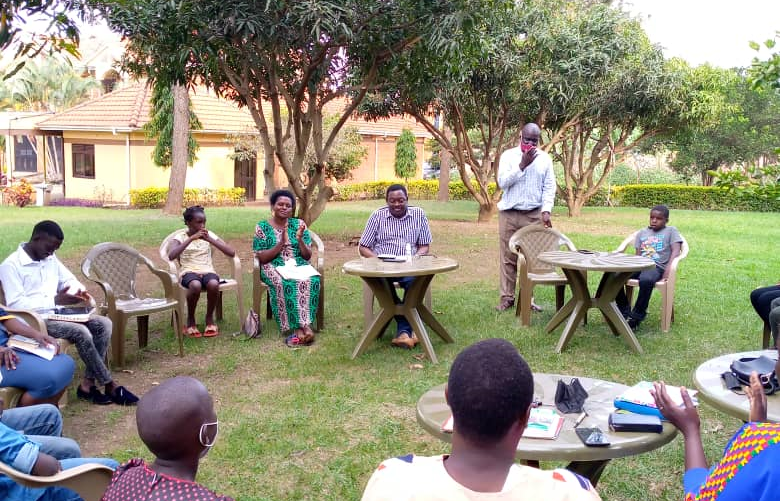
Despite the ongoing peace efforts there is still widespread insecurity in most of northern region, making it impossible for the people to plant food crops during the short rainy season.
The United Nations has described the suffering of the people of northern Uganda as ‘the most neglected humanitarian crisis in the world,’ (Jan Egeland, UN’s Head of Humanitarian Affairs) According to Ken Davies of the World Food Programme (WFP) the northern Uganda situation has affected a lot more people than the Tsunami. He said a looming food crisis culminating in sky-high rates of infant malnutrition and death, are inevitable unless emergency food relief is made available as soon as possible.
The increase in poverty
Even before becoming victims of the civil war, the loss of their means of surviving resulted in the people being unable to pay school fees for their children, afford medical treatment under the cost sharing scheme the government has introduced and to pay the graduated tax in time. The acreage of land under cultivation decreased as the people were forced to cultivate using hand held hoes instead of the ox-drawn ploughs they used before the sustained cattle rustling deprived them of the use of oxen. Consequently, families that traditionally ate two meals a day found it difficult to have even one decent meal a day.
This increase in poverty has also coincided with increased donor funding and debt forgiveness. However, in the northern districts of Uganda, including Lango sub region, people are getting poorer.
Causes to extreme poverty
- Lango sub-region was heavily affected by decades of conflict, including the Lord’s Resistance Army insurgency from 1987 to 2006. Forced displacement into internally displaced person (IDP) camps disconnected people from their land and traditional agricultural practices. Since 2006, relative peace has returned to northern Uganda and many have yet to fully recover from this period in phases of development projects.
- Low levels of education:Households with low levels of education tend to have lower asset holdings and limited earning opportunities, trapping them in poverty.
- Effects of extreme drought and flooding affecting food production.
- Inequality: Despite growth, significant disparities exist between northern Uganda and other regions.
- The inabilities of those in Lango sub-region rural areas to meet basic necessities like sufficient food and healthcare still remains. Globally, 8.5% of the world population, approximately 700 million people, are classified as living in extreme poverty, defined as surviving on less than U.S. $2.15 per day in the past years (World Bank, 2024).
LC12 Action Plans (after Lango Development Agenda conference)
To use both internal and external resources from development partners directly mobilised through Lango Development networks and efforts. The strategy has to ensure ownership of Lango Development Agenda by Langi and to go a long way in ensuring its success. Lango Youth and Women are considered special groups that are sometimes marginalized or vulnerable. Special attention should be paid to their contributions to development in the sub-region (LC12).
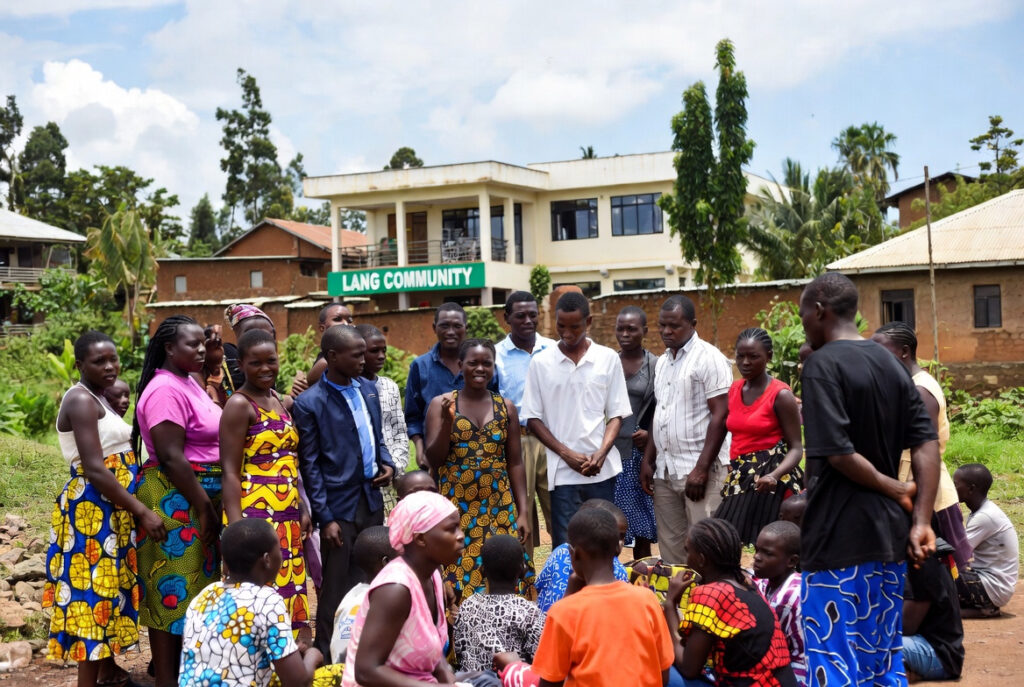
The conference identified two to three areas of action in response to the building on the internal Strengths; reducing the Weaknesses; taking advantage of the Opportunities; and addressing any external Threats.
- Strategic Objective 2: Building Capacities for the Future (i.e., Social).
- Strategic Objective 3: Mobilizing Resources for Sustainable Development (i.e., Economic).
The conference identified two to three areas of action in response to the building on the internal Strengths; reducing the Weaknesses; taking advantage of the Opportunities; and addressing any external Threats.
- Strategic Objective 2: Building Capacities for the Future (i.e., Social).
- Strategic Objective 3: Mobilizing Resources for Sustainable Development (i.e., Economic).
Some Famous Langi
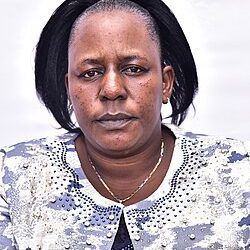
Acen Dorcus
The current Women’s Representative of the Alebtong District in the Ugandan Parliament.
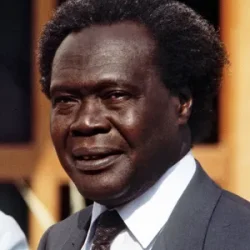
Apollo Milton Obote
Prime minister from 1962 to 1966 and president of Uganda from 1966 to 1971 and from 1980 to 1985.
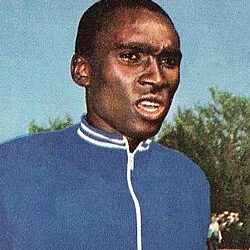
John Akii Bua
set a world record of 47.82 seconds in the 400 metres hurdles in the 1972 Munich Olympic games.
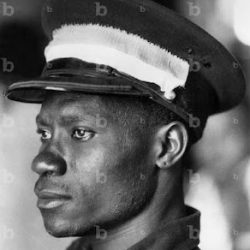
“Field Marshall” John Okello
an immigrant bricklayer led the 1964 revolution in Zanzibar.